Scroll
六百多年前,明朝郑和率船队七下西洋,皆以马六甲为官厂大本营,筑城设仓,屯集钱粮百货。十五世纪的马六甲河,千帆竞发,万商云集。随着港口贸易的日益繁盛,无数华人先贤开始漂洋过海,顺着这条黄金水道登岸,在此经商、聚落、落地生根。
初到异乡,面对茫茫风浪与未知前路,同乡会馆与神庙成了华人彼此照应、寻觅心灵寄托的港湾。保安宫,便是在这样的历史洪流中随运而生。
保安宫与马六甲河紧紧相依。在清代道光二十一年(公元1841年),庙宇邻近曾有一座横跨两岸的小吊桥,作为当时通往“大厝内”的主要通道。两岸居民依桥往来,香火因水而兴,因此当时的街坊都亲切地称保安宫为“小吊桥庙”,称呼主祀的三坪祖师为“小吊桥祖师公”。
保安宫的香火,源自福建漳州三平寺。二百多年前,一位漳州先贤南渡马来西亚,悉心恭请祖师香火随行护佑。该先贤与本地女子通婚融合,其子作为生于斯、长于斯的第二代华裔,成为了为人熟知的峇峇(Baba)先贤。
百年来保安宫香火鼎盛至极,每逢神诞,马六甲的名门峇峇家族无不盛装前来礼拜。尤其在农历正月初六清水祖师圣诞,一年一度的神诞游行更是万人空巷,轰动全城。
时光流转,从一缕来自漳州的香火,到马六甲河畔的“小吊桥庙”,再到后来兴化人群体携朱府王爷信仰入驻参拜,不同民系的香火在此交融。保安宫不仅见证了华人南渡的沧桑血泪,更镌刻了峇峇文化、多元民系与本土融合的独特篇章。
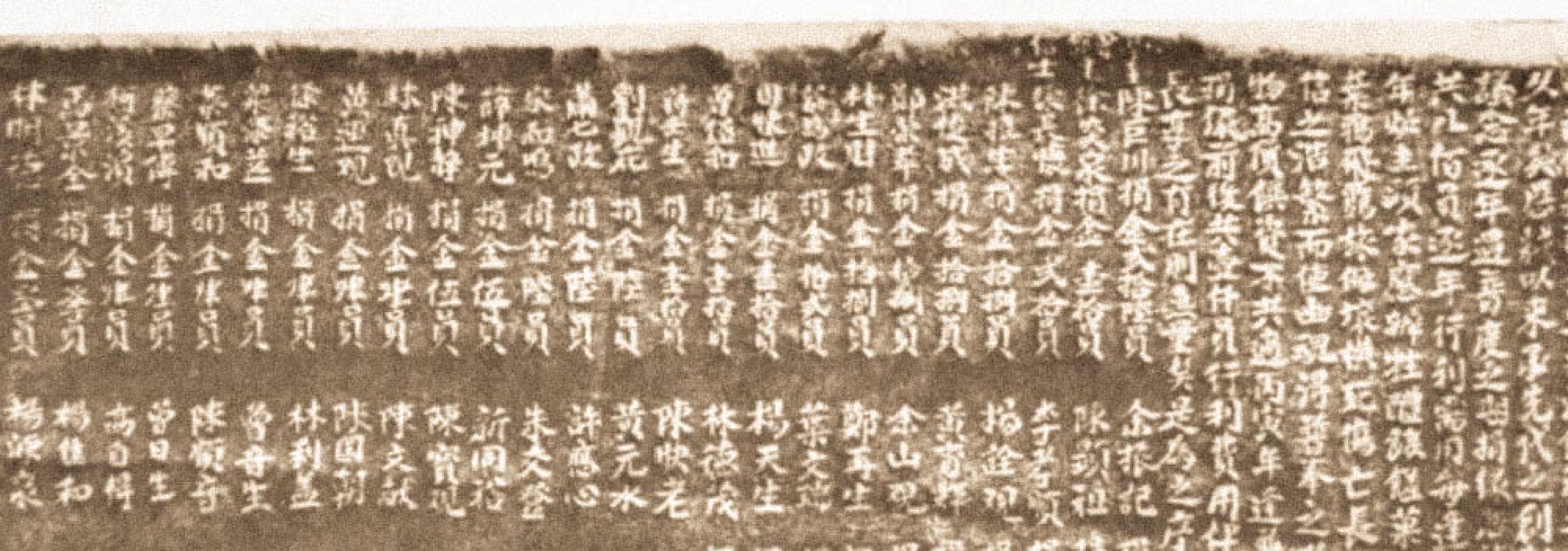
据史料及断代碑文记载,保安宫自清代以来,曾于嘉庆十六年(1811)、道光二十一年(1841)、咸丰六年(1856)、同治元年(1862)、同治五年(1866)、光绪二十八年(1902)以及民国年间(1916、1925)经历过数度重修。然而,因岁月的无情剥蚀与白蚁为患,至二十世纪九十年代初,古庙已是摇摇欲坠。一1992年,后殿破损的屋顶不幸坍塌。
一1993年,庙方紧急成立筹委会筹款重建后殿。然而,当后殿工程进行至八成左右时,一个惊心动魄的下午改变了一切——大殿一根负重经年的大梁,突然在建筑工人午休时轰然坍塌,笔直坠落在座主三坪祖师神位之前!巨响震撼了整个筹委会,也让保安宫瞬间被列为危楼。
面对突如其来的变故与巨大的经费缺口,重建委员会果断作出了历史性的抉择:不坐等缝补,而是彻底重建保安宫,为古刹奠定下一个百年的根基。这一远见得到了时任顾问与社会贤达的大力护持,更有先贤抛砖引玉捐出巨资,使第一期工程得以破土。
在重建委员会全体同仁及募捐小组的积极奔走下,通过举办千人宴、海内外募集等方式,最终凝聚了全马乃至区域信众的惊人愿力,成功筹获约八十万令吉。整个重建工程耗资七十八万令吉,历时五年艰苦卓绝的岁月,终于在一九九八年宣告落成。同年四月十五日,新庙落成并举行了盛大的首次游境仪式。前人种树,后人乘凉,木石无言,却镌刻了那一代理事会无法磨灭的护法功勋。
Over 600 years ago, Admiral Cheng Ho ** of the Ming Dynasty led seven great voyages to the Western seas. Each time, Malacca served as his fleet’s main base, where they established warehouses to store money, grains and various merchandise. By the 15th century, the Malacca River had become the life blood of the Straits, thriving with merchant ships and bustling markets. As trade flourished, countless Chinese pioneers crossed the seas, landing along this golden waterway to trade, settle, and plant their roots.
Upon arriving, these early immigrants, who faced an uncertain future, formed clan associations and built temples which became sanctuaries of mutual support and spiritual comfort. Thus, Poh Onn Kong temple came into being.
The Poh Onn Kong Temple shares an inseparable bond with the Malacca River, as it is situated adjacent to the Malacca River. During the Qing Dynasty (1841) there was a small suspension bridge near the temple that spanned both banks, serving as the main passage for residents to commute on both sides of the river. As this facilitates incense offerings, the temple flourished. By and by, the local community affectionately referred to the temple as the small suspension bridge temple, where their revered principal deity, the Sanping Patriarch resided.
The sacred incense of Poh Onn Kong originated from the ancient Sanping temple in Zhangzhou, Fujian, China. Over two centuries ago, a Zhangzhou pioneer braved the southern voyage to Malacca, Malaysia bearing with him the sacred embers of Master Sanping /Sanping Cho su-kong for protection. He married a local woman, and their son—born and raised as a second-generation Chinese immigrant, became one of the earliest Baba figures, a respected forebear of the Peranakan*** Chinese.
For generations, Poh Onn Kong Temple thrived with vibrant worship. Every year during sacred festivals, the elite Baba families of Malacca would gather in grand devotion, and the annual grand procession on the 6th day of the 1st Lunar Month to celebrate Master Sanping’s birthday was a magnificent spectacle that captivated the entire city.
From a single ember carried from Zhangzhou, to the riverside “Little Suspension Bridge Temple,” and later enriched by the veneration of Chu Ong Yah (COY) Deity by Heng Hwa **** community. Poh Onn Kong Temple became a place where diverse traditions intertwined. It not only bears witness to the hardships and resilience of Chinese migration but also engraves a unique chapter of Baba culture, multi-ethnic harmony, and local integration.
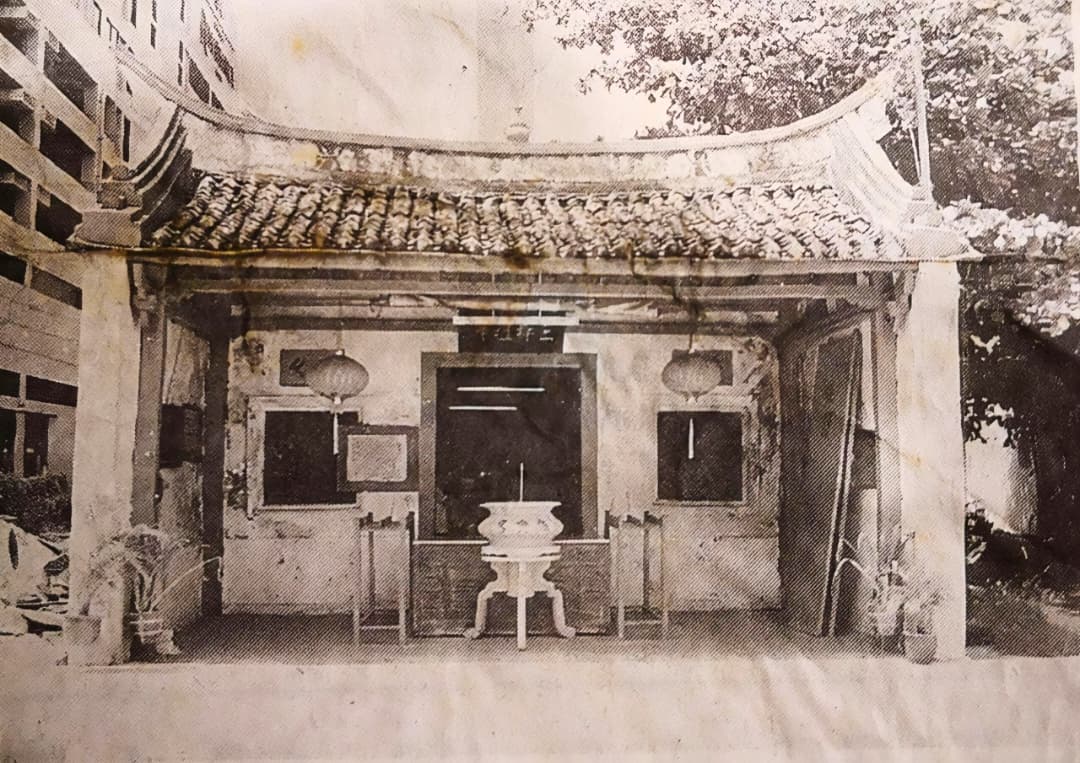
According to sacred archives and ancestral stone tablets, Poh Onn Kong underwent several recorded restorations across the Qing Dynasty and the Republican Era—specifically in 1811, 1841, 1856, 1862,,1866, 1902, 1916, and 1925.
The relentless erosion of time and the scourge of termites left the ancient temple on the brink of collapse by the early 1990s. In 1992, the dilapidated roof of the rear hall gave way and fell.
In 1993, a fundraising committee was hastily established to gather resources for rebuilding the rear hall. However, when the construction reached approximately 80% completion on a fateful afternoon in 1994, a major structural beam in the main hall—weakened by termites and decades of stress—suddenly snapped and plummeted straight down onto the altar space before the sacred seat of the Sanping Cho su-kong(Master Sanping)! Miraculously, the workers were away for lunch, leaving no one injured. This sudden collapse instantly led to the temple being declared a dangerous/hazardous structure, disrupting the committee’s original modest repair plans.
Faced with this sudden setback and a severe funding shortfall, the reconstruction committee made a historic choice: rather than waiting for patchwork repairs, they resolved to completely rebuild Poh Onn Kong Temple, laying the foundation for the next century if future generations. This foresight was strongly supported by advisors and community leaders of the time, and further inspired by pioneers who set an example with generous donations, enabling the first phase of construction to begin.
Under the tireless stewardship of the reconstruction committee and its fundraising team, the organization of grand charity dinners and donations flowing from both local and overseas devotees, the committee successfully raised approximately RM800,000. The entire reconstruction cost RM780,000. Spanning five rigorous years of unwavering dedication, the project was completed in 1998. On April 15 of 1998, the new temple was inaugurated with a grand inaugural procession.
*Maritime Eras: The Maritime Era generally refers to historical periods defined by major developments in seafaring, naval technology, and ocean-based trade and exploration. Most commonly, it points to the Age of exploration (15th – 17th centuries), and the Age of Sail (16th – mid 19th centuries).
**Cheng Ho was a legendary Chinese mariner, explorer, diplomat, and fleet admiral. Living during the early Ming dynasty (1371–1433), he is widely considered one of the greatest naval commanders in world history
***The term Peranakan (derived from the Malay word for “child” or “locally born”) primarily refers to the descendants of early foreign immigrants who settled in the Malay Archipelago and intermarried with local indigenous women. While the term encompasses several mixed-heritage communities, it is most widely used to describe the Peranakan Chinese (also known as the Baba-Nyonya or Straits Chinese).
****Heng Hwa refers to a Han Chinese sub-ethnic minority group originating from the coastal city of Putian in Fujian Province, China.